West Brompton Station rubbish drop off options and access guide
Posted on 16/07/2026
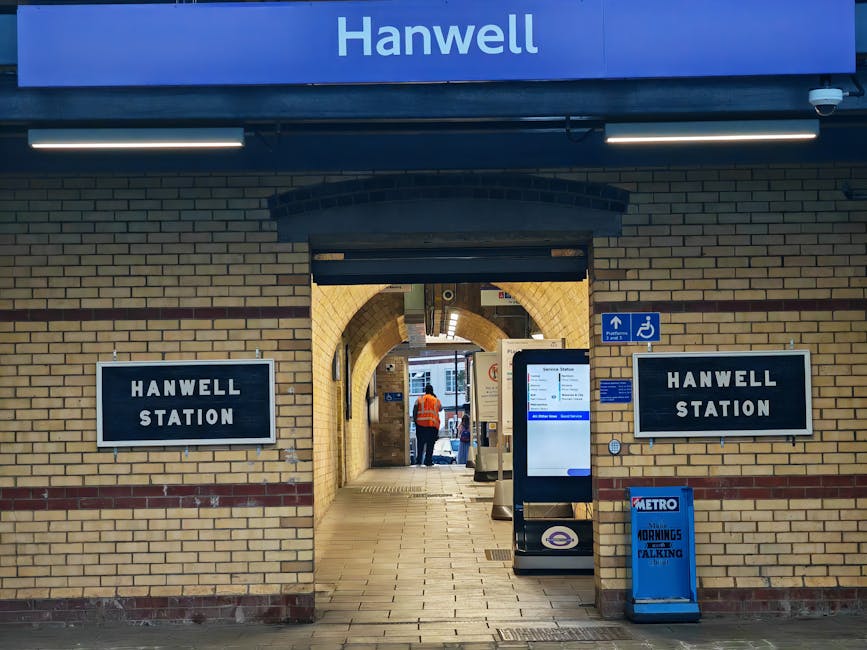
If you are trying to get rid of a bag of waste, a bulky box, or a few awkward bits after a move, the phrase West Brompton Station rubbish drop off options and access guide can save you a lot of wandering about. West Brompton is busy, practical, and very London: trains, buses, narrow streets, flats above shops, and not much patience for rubbish left in the wrong place. So the real question is not just where to dispose of waste, but how to do it cleanly, legally, and without making a nuisance of yourself.
This guide breaks down the local reality in plain English. You will find the most sensible rubbish drop off choices near West Brompton, what access tends to look like around the station, when a same-day collection makes more sense, and the small details people often miss. To be fair, it is usually the small details that cause the headache.
Why West Brompton Station rubbish drop off options and access guide Matters
West Brompton sits in one of those parts of London where convenience and constraint live side by side. The station is well connected, which is great for getting around, but not always ideal if you are carrying rubbish, cardboard, broken furniture, or renovation offcuts. Roads can be tight, parking can be limited, and a careless drop-off can turn into a messy delay very quickly.
That is why a proper access guide matters. It helps you decide whether a local rubbish drop-off option is realistic, whether you need a vehicle, whether you should book a collection instead, and what kind of waste you can sensibly move without causing trouble. If you live in a flat, manage a rental, or are dealing with end-of-tenancy clear-out stress, the difference between a quick drop-off and a wasted half-hour can be significant. Been there, seen it, moved on.
It also matters because waste disposal is not just about convenience. It is about avoiding fly-tipping, preventing blocked pavements, protecting shared entrances, and staying on the right side of local rules and building policies. In neighbourhoods like Brompton and the wider West Brompton area, people notice what is left where. That sounds harsh, but it is true.
For readers comparing local disposal choices, it may also help to look at broader service routes such as scheduled waste collection in Brompton or the site's wider services overview if you want to understand the options before committing to a plan. If your waste is bulky, mixed, or time-sensitive, that context is often more useful than trying to improvise on the day.
How West Brompton Station rubbish drop off options and access guide Works
In practice, "rubbish drop off" near West Brompton can mean a few different things. It may mean using a local recycling point, taking items to a permitted disposal facility elsewhere in London, arranging a pre-booked collection, or coordinating a private clear-out where waste is removed from your property rather than dropped off by you. There is no single universal method, which is why people get confused.
The key is to separate waste into categories before you do anything else. General household rubbish is one thing. Cardboard is another. Garden cuttings, office waste, old chairs, and builders' debris all behave differently in terms of loading, transport, and acceptable disposal routes. If you try to treat everything the same, you usually end up paying for it one way or another, even if only with your time.
Access around West Brompton station itself is also a factor. Think about:
- how far you need to carry the waste from your front door;
- whether the route involves stairs, narrow hallways, or a lift;
- if you need to park briefly to load the vehicle;
- whether your building has loading restrictions or concierge rules;
- how busy the roads are at the time you plan to move items.
If that sounds a bit unglamorous, it is. But real waste removal often is. A good plan is basically a good route, a good lift, and no surprises.
For households with mixed items or a larger clear-out, a service like house clearance in Brompton can be the more efficient answer. Likewise, if you are clearing a workspace or shared office near the station, office clearance support may be more practical than trying to drag office chairs and filing boxes across busy pavements yourself.
Key Benefits and Practical Advantages
When you choose the right rubbish drop-off or collection approach, the benefits are not abstract. They are immediate and very noticeable.
- Less wasted time: you avoid driving around looking for a place that may not suit your waste type.
- Better access planning: narrow streets, station traffic, and loading pressures become manageable instead of stressful.
- Cleaner shared spaces: fewer items left in hallways, front gardens, or next to bins.
- Lower risk of mistakes: reduced chance of mixing recyclable materials, prohibited items, and general rubbish.
- More suitable for flats: especially important where storage is limited and neighbours are close by.
- Less physical strain: not everything should be manhandled by one person on a wet Tuesday afternoon.
Another big advantage is flexibility. Sometimes a full drop-off trip makes sense; sometimes a collection is better. For example, if you are clearing a bedroom and only have a few bags plus a small table, a planned disposal route may work fine. But if you are dealing with multiple bulky pieces, the smarter choice is often a dedicated collection or a specialist service such as furniture disposal in Brompton.
If sustainability is part of your decision-making, it is worth understanding how material separation and reuse fit into the process. The site's recycling and sustainability approach is a useful reference point when you want to keep things responsible rather than simply convenient.
Who This Is For and When It Makes Sense
This guide is for anyone who lives, works, or manages property near West Brompton Station and needs to move waste out without creating a scene. That includes:
- flat owners and tenants doing a small declutter;
- landlords handling end-of-tenancy leftovers;
- office managers clearing packaging, desks, or old equipment;
- people after a renovation who need builders' waste removed quickly;
- families dealing with bulky household items;
- garden owners with cuttings, soil, or branches to shift;
- anyone who cannot or should not transport waste far by hand.
It also makes sense for people who are time-poor. If your day is already packed and you are trying to fit waste disposal between work, train travel, and family errands, a local access plan can be the difference between sorting it out and putting it off for another week. And let's face it, rubbish has a habit of multiplying when ignored.
There is a practical overlap here with local living and moving advice. For broader neighbourhood context, you may find it useful to read local living advice for Brompton or the more general rubbish collection guide for residents and flats if you are working out how waste handling fits into everyday life near the station.
Step-by-Step Guidance
If you want to avoid friction, do the job in a simple sequence. No drama. Just method.
- Identify the waste type. Separate general rubbish, recyclables, bulky items, garden waste, and construction debris.
- Estimate volume. A couple of bags is very different from a hallway full of broken furniture.
- Check access. Measure door widths if needed, note stairs, and confirm whether there is practical loading space nearby.
- Decide the route. Choose between self-drop-off, managed collection, or specialist removal.
- Prepare safely. Use gloves, strong bags, and sturdy boxes. Tape sharp edges and remove loose glass where necessary.
- Keep items sorted. Separation saves time and avoids confusion once you are on the move.
- Move waste at the right time. Off-peak hours are usually easier around station areas. Morning congestion can be annoying, frankly.
- Confirm disposal details. Make sure the chosen option accepts your materials before you travel.
- Load efficiently. Put heavier items first and keep lighter bags accessible.
- Finish with a clean sweep. Remove stray packaging or debris from hallways and entrances.
A small real-world example: a resident in a first-floor flat near West Brompton may have three black bags, two cardboard boxes, and a broken bedside table. On paper, that sounds simple. In reality, if the stairwell is narrow and the table has sharp screws sticking out, a quick solo drop-off becomes awkward fast. In that case, it is often cleaner to book a furniture disposal service and remove the pressure from the whole move.
Expert Tips for Better Results
Here are the little improvements that make a surprisingly big difference.
- Pre-sort before you carry. Sorting waste at the front door is easier than doing it while standing beside a vehicle with one bag in each hand.
- Flatten cardboard early. It saves space and reduces the awkwardness of loading in a hurry.
- Keep liquids separate. Damp waste causes odour, mess, and more handling trouble than you want.
- Use the shortest safe route. In West Brompton, a shorter route is not always the one that looks shortest on a map. Think pavements, crossings, and loading points.
- Book around your day, not against it. If you are catching a train, don't leave five minutes to sort a ten-minute job. That never ends well.
- Ask about disposal scope before moving items. Especially for mixed waste or awkward materials.
One understated but useful tip: if you are clearing a flat with neighbours nearby, do it earlier in the day if possible. Doors slam less often, foot traffic is lighter, and everyone is marginally happier. These little things matter more than people admit.
For commercial premises, a proper plan can also avoid interruptions to staff and visitors. If you are handling desks, packaging, or archive material, office clearance support is often the calmer route, especially in buildings where lift access is shared or limited.
Common Mistakes to Avoid
Most disposal problems are not dramatic. They are just annoyingly preventable.
- Assuming any waste can be dropped anywhere. Different materials have different handling expectations.
- Not checking access first. A route that works for a small bag may fail for a sofa or plasterboard offcut.
- Mixing everything together. This slows the process and can make recycling harder.
- Leaving loading to the last minute. Tight station-side streets do not reward procrastination.
- Overfilling bags. Heavy, split bags are messy and unsafe.
- Forgetting building rules. Some properties have very specific waste handling expectations. Very specific.
Another common issue is underestimating how long the move will take. People see the waste, think "easy enough," and then discover two flights of stairs, a narrow corner, and nowhere sensible to pause. That is usually when the sighing starts.
If your rubbish is the result of home improvement work, consider the type of debris carefully. Plaster, timber, tiles, and packaging are not all managed the same way. A service dedicated to builders' waste disposal in Brompton is often a better fit than trying to improvise with household bins.
Tools, Resources and Recommendations
You do not need fancy gear, but a few sensible tools make the process easier.
- Heavy-duty rubbish bags for general waste and soft items.
- Gloves for protection against splinters, grime, and sharp edges.
- Tape and labels to mark mixed or fragile items.
- Trolley or sack truck for heavier loads, if the route allows it.
- Measuring tape for doorways, furniture, and access points.
- Simple checklist so nothing gets left behind in the rush.
On the service side, it helps to review a provider's practical policies before you book. The pages on insurance and safety, payment and security, and pricing and quotes are all useful if you want to understand how a proper waste removal process is structured.
If your disposal needs are not one-off, it may be worth looking at the bigger picture too. Households with regular clearing needs may benefit from routine waste collection, while readers interested in the area's broader lifestyle and property context can also explore Brompton's local character or buying homes in Brompton if they are settling nearby.
Law, Compliance, Standards, or Best Practice
Waste disposal in London sits within a framework of ordinary common sense, property rules, and wider UK waste-handling expectations. You do not need to memorise legislation to behave correctly, but you should understand the basic principles. Duty of care matters. So does not dumping rubbish where it does not belong.
In practical terms, best practice means:
- using a lawful disposal route for your waste;
- not leaving items in communal areas without permission;
- separating recyclable materials where possible;
- handling sharp, heavy, or hazardous items carefully;
- checking building, landlord, or estate rules before moving waste through shared spaces;
- using a provider that is transparent about process, safety, and disposal handling.
If waste includes restricted, hazardous, or specialist items, pause and ask before you move anything. That can include certain electricals, chemicals, paint, or materials from building work. The safest rule is simple: if you are unsure, do not guess. Guessing is how minor jobs become expensive ones.
For people who want a sustainability-led approach, reviewing recycling and sustainability guidance can help you make better decisions without overcomplicating the process. The goal is not perfection. The goal is responsible disposal that fits the real world.
Options, Methods, or Comparison Table
Here is a straightforward comparison of the main approaches people consider around West Brompton.
| Option | Best for | Access effort | Main advantage | Possible drawback |
|---|---|---|---|---|
| Self drop-off | Small, manageable loads | Moderate to high | Direct control over timing | Requires transport and clear loading access |
| Booked collection | General household or mixed waste | Low | Minimal effort from the resident | Needs scheduling and may depend on item type |
| Bulky item removal | Furniture, mattresses, awkward pieces | Low | Simplifies heavy lifting | Not the best fit for tiny, simple waste loads |
| House clearance | Moves, refurbishments, full clear-outs | Very low | Handles volume efficiently | Usually more than needed for a few bags |
| Office clearance | Workspace refreshes and office moves | Low | Good for grouped commercial waste | Less suitable for domestic-only waste |
In plain terms, if you have a couple of bags and a relatively easy route, a self-drop-off approach may be fine. If you have awkward access, a tight timeline, or bulky items, a collection-based option is usually the calmer and more reliable choice.
Case Study or Real-World Example
Here is a realistic scenario from the kind of job people often face near West Brompton Station.
A couple in a second-floor flat had just finished a room refresh. They had packaging, a broken chest of drawers, a couple of old lamps, and several bags of mixed household waste. On paper, the amount looked small. In practice, the stairwell was narrow, the lift was shared, and the nearest loading space was not especially friendly around lunchtime.
At first, they thought about doing it themselves in one car trip. Then they realised the chest of drawers would be awkward to carry without damaging the communal walls, and the cardboard alone would take up more room than expected. So they switched to a managed collection approach and split the waste by type before pickup. The result was much less stress, no complaints from neighbours, and no wasted trip in and out of the station area.
The lesson is simple: what looks easy from the sofa can be surprisingly clumsy once you add stairs, traffic, and a bad corner. That is normal. It is not a failure. It just means the smarter option won on the day.
Practical Checklist
Use this quick checklist before you move any rubbish near West Brompton Station.
- Identify each item type: general, recyclable, bulky, garden, or builders' waste.
- Check whether your building has any waste handling rules.
- Measure awkward items and confirm they fit the route out.
- Plan the safest access path from door to vehicle or collection point.
- Prepare strong bags, gloves, tape, and labels.
- Keep sharp or heavy items separate.
- Decide whether self-drop-off or collection is more practical.
- Allow extra time for station-area traffic and loading delays.
- Confirm the chosen option accepts your waste type.
- Leave communal areas clean after moving items.
If you are dealing with larger household jobs, you may also want to explore house clearance support or, for a more specialist route, furniture disposal in Brompton. Those options often make more sense than trying to force a small waste trip into a busy day.
Conclusion
West Brompton Station rubbish drop off options and access guide is really about making a practical decision with less stress. The station area is convenient, but it is not the place to gamble with awkward waste, poor timing, or unclear access. If you sort the waste type, check the route, and choose the right method for the load, the whole job becomes much easier.
For some people, a straightforward self-drop-off will do the trick. For others, especially in flats or shared buildings, a managed waste collection or clearance service is the better move. Either way, a little planning goes a long way. And honestly, it is one of those jobs that feels far better once it is done. The air seems lighter. The hallway looks bigger. Life gets on with itself.
Get a free quote today and see how much you can save.

 Tipper Van - Waste Collection and Loft Clearance Prices in Brompton, SW10
 Luton Van - Waste Collection and Loft Clearance Prices in Brompton, SW10


