Brompton Road rubbish collection guide for residents and flats
Posted on 03/07/2026
If you live on or near Brompton Road, rubbish can become one of those everyday things you only notice when it goes wrong. A missed bin day, a hallway pile-up in a flat share, a bulky item blocking the stairwell, or a recycling bag that's been left out a touch too early - it all adds up. This Brompton Road rubbish collection guide for residents and flats is here to make the whole process clearer, calmer, and a lot less fiddly.
Whether you manage a basement flat, live in a portered building, rent a studio, or look after an entire block, the basics are similar: separate waste properly, store it safely, get it out at the right time, and avoid creating problems for neighbours or the building itself. Sounds simple. In real life, of course, it rarely is. So let's walk through the practical side, from day-to-day rubbish routines to larger clearances and the little mistakes that can snowball.
For readers who want a broader look at local living and property context, you may also find Brompton local living advice useful, especially if you are settling in or managing a move-in period.
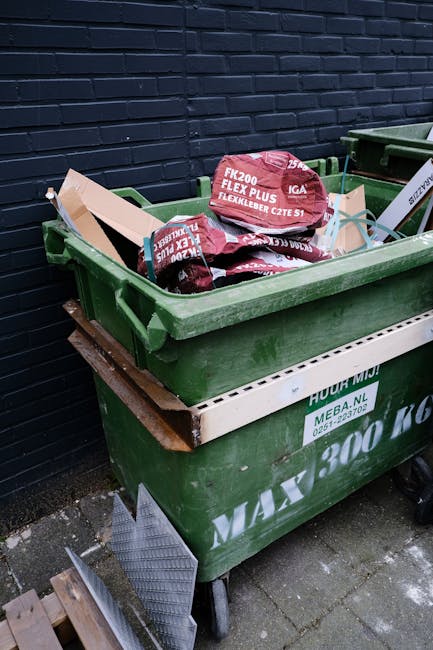
Why Brompton Road rubbish collection guide for residents and flats Matters
In a dense London setting, waste is not just a housekeeping task. It affects smell, pests, access, safety, neighbour relations, and even how a building feels at the front door. On a busy road like Brompton Road, rubbish left in the wrong place can look untidy very quickly, and in flats it can create friction just as fast. One person's "I'll take it out later" becomes everyone else's problem by morning.
For residents, good rubbish handling means less stress and fewer awkward conversations. For flats and managed buildings, it helps protect communal areas, keep bin stores usable, and reduce the sort of mess that attracts complaints. That matters whether you live alone or coordinate a multi-unit property with tenants coming and going.
There is also a practical money angle. Better waste habits often mean fewer emergency clearances, fewer call-outs for overflow issues, and less damage caused by poorly stored items. To be fair, rubbish is rarely glamorous. But the cost of ignoring it can be annoyingly high.
Expert summary: the best rubbish collection setup is the one that is easy to follow, easy to maintain, and easy for every resident in the building to use without guesswork.
If you are researching the broader area and its housing patterns, buying homes in Brompton can give you helpful context on the kinds of properties where waste handling becomes a daily issue, especially in period conversions and smaller flats.
How Brompton Road rubbish collection guide for residents and flats Works
At a simple level, rubbish collection works through three linked stages: sorting, storage, and collection. The details depend on your building type and the waste service being used, but the logic stays the same.
1. Sorting the waste properly
Most homes produce a mix of general rubbish, dry recycling, food waste, and occasional bulky items. In flats, the mix can get messy because different households have different habits. Clear separation matters because contamination can make recycling less effective and can create avoidable overflow in general waste bins.
Dry recycling usually means clean cardboard, paper, tins, cans, and certain plastics if your building or service accepts them. Food waste needs its own handling if that is part of your building's setup. General rubbish is for non-recyclable items, and bulky or special items should be kept separate rather than squeezed into communal bins.
2. Storing waste safely in the building
In a flat, storage is often the weak link. Bags end up in hallways, shared rear yards, bin stores, or by the lift. That may seem harmless for an hour or two, but in warm weather, even a small bag can start to smell. In shared entrances, it also creates an untidy first impression. Not ideal when your post arrives and the whole lobby smells faintly of old takeaway. We've all seen it.
The best practice is to use lidded bins where possible, keep bags tied, avoid overfilling sacks, and never block fire exits, communal corridors, or access routes. If the building has a bin store, make sure residents know how to use it and what should never go in there.
3. Moving waste to collection points
Collection in flats is usually about timing and coordination. Residents may need to place bins out at agreed times, or a porter, cleaner, or managing agent may manage the process. For larger or busier buildings, it can help to have a simple internal routine: where bins live, when they are moved, and who checks for overflow.
If a property has difficult access, narrow stairs, or no lift, the collection process needs a bit more care. Nobody wants bags dragged across a carpeted hallway or cardboard left leaning against a wall for days. Small habits make a big difference.
For property owners and landlords looking at the wider operational side of Brompton buildings, guide to smart real estate investments in Brompton offers a useful property-management angle, because waste arrangements often affect tenant satisfaction more than people expect.
Key Benefits and Practical Advantages
Good rubbish collection is one of those things that quietly improves everything else. You notice it most when it is absent, which is a bit unfair, but true.
- Cleaner communal spaces: hallways, porches, stairwells, and bin stores stay usable and more pleasant.
- Fewer pests and odours: proper storage and regular removal reduce the conditions that attract flies, rodents, and bad smells.
- Less resident conflict: clear routines reduce complaints about mess, blocked access, and shared responsibilities.
- Better recycling performance: separating materials properly makes collections smoother and waste handling more efficient.
- Lower risk of damage: less dragging of bags through common areas means less wear on flooring and walls.
- Faster move-outs and clearances: when rubbish systems are organised, it is easier to handle a deep clean or flat clearance later.
There is also a quality-of-life benefit. A tidy, well-managed building simply feels more settled. You come home, close the door, and do not immediately think, "Right, whose bin bag is that?" That matters more than people admit.
And if your waste needs go beyond everyday bags and boxes, it helps to know where a more complete service sits in the picture. A broad services overview can help you understand the difference between routine household collection and one-off removal for heavier or mixed waste.
Who This Is For and When It Makes Sense
This guide is for a fairly wide group, because rubbish issues do not respect tenancy type. They show up everywhere, frankly.
- Residents in flats and maisonettes: especially where bin space is limited and everyone shares the same access points.
- Landlords and letting agents: useful for setting expectations before tenants move in.
- Block managers and property managers: helpful for building routines around communal bins and clearances.
- Homeowners on Brompton Road: particularly if you generate regular packaging, household waste, or occasional bulky items.
- People moving in or out: move periods always create more waste than expected, more than you think, even with good planning.
- Residents arranging a refurb or furniture change: if a project creates mixed waste, cardboard, or old items, planning matters.
It makes sense any time waste starts affecting the feel of the building. A single bag is one thing. A system of repeated overflow is another. If a problem has become routine, that is usually the point where a proper collection plan, or a one-off removal, pays off.
For people arranging larger item disposal after a move or upgrade, furniture disposal in Brompton can be the more sensible route than trying to force oversized items into a communal setup that was never built for them.
Step-by-Step Guidance
If you want a smoother waste routine, keep it simple. Fancy systems tend to fail. Clear ones tend to stick.
- Identify what type of waste you actually have. Separate everyday rubbish from recyclables, food waste, and bulky items before they leave your flat.
- Check your building's bin arrangement. Know where the bins go, when they are collected, and who is responsible for putting them out.
- Use the right bags or containers. Overfilled sacks split, leak, and make a mess in shared spaces. Nobody wants the drip down the staircase. Really, nobody.
- Keep storage areas accessible. Do not stack waste in front of fire doors, meter cupboards, or entrance routes.
- Take out waste on the right day or at the right time. Early enough to avoid missed collections, but not so early that bags sit around attracting attention or pests.
- Handle bulky or awkward waste separately. Broken chairs, mattresses, large boxes, renovation offcuts, and mixed items should not be jammed into communal bins.
- Report recurring issues quickly. If bins are consistently overflowing or residents are using the wrong stream, the issue needs a fix, not just another reminder note.
- Schedule one-off clearances when needed. For move-outs, end-of-tenancy clean-ups, or post-refurb waste, a targeted collection is often the cleanest solution.
A useful rule of thumb: if waste is making someone else's job harder, it is already too much of a problem. The aim is not perfection. It is a building that works without constant firefighting.
Expert Tips for Better Results
Here are the little things that tend to make the biggest difference in practice.
Keep a visible bin routine
In shared buildings, people do what they can see. If the routine is invisible, it falls apart. A simple notice in the bin store or a short resident guide is often more effective than long emails that nobody finishes reading.
Label what belongs where
Labels reduce "I didn't know" excuses. Use plain wording. General waste, recycling, food waste, bulky items. That's enough. No need to write an essay on the bin lid.
Watch for overflow patterns
If the same bin is full before collection day every week, the issue may be capacity, not resident behaviour. Sometimes the answer is a better collection frequency, sometimes it is a more sensible waste mix. A tiny adjustment can fix a lot.
Separate move-out waste early
When somebody is leaving a flat, cardboard, packaging, old bedding, unwanted furniture, and random "I'll deal with that later" bits all appear at once. It helps to box, bag, and label items before they hit communal areas.
Use seasonal common sense
Hot weeks, bank holidays, and festive periods are the times rubbish tends to get out of hand. If collections are disrupted or waste volumes rise, a little extra planning saves a lot of friction.
For waste that is not suited to the standard bin system, it can help to look at specialist options such as waste collection in Brompton when you need a more flexible or direct removal approach.
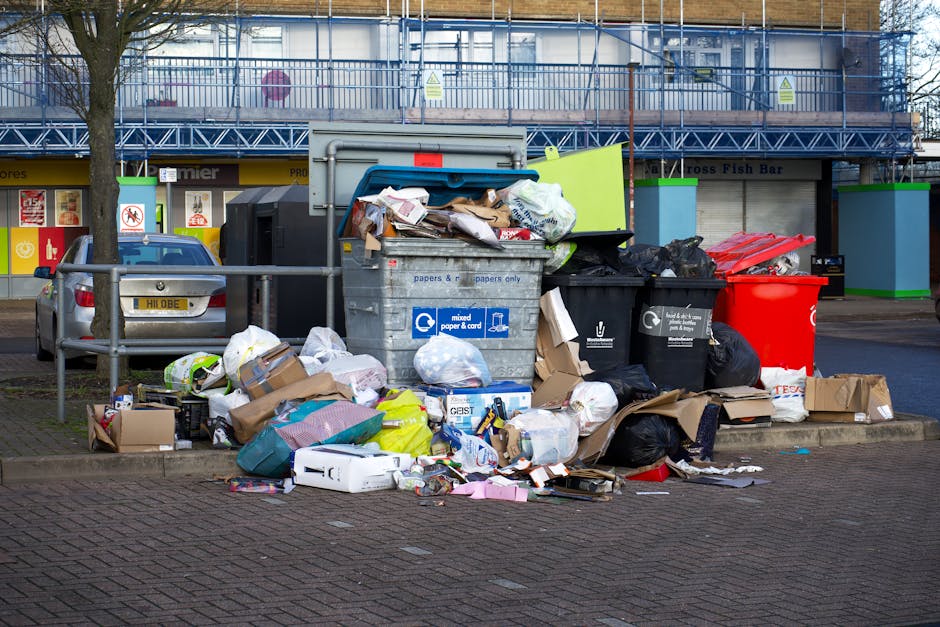
Common Mistakes to Avoid
Most rubbish problems come from a small set of repeat mistakes. Easy to make, irritating to fix.
- Leaving bags in communal hallways: this blocks access and makes the building look neglected fast.
- Mixing recyclables with food waste: contamination can ruin a whole bag or container load.
- Ignoring bin capacity: overstuffed bins invite spillage and complaints.
- Dumping items "just for a bit": temporary often becomes permanent.
- Putting bulky waste in the wrong place: it usually creates more work for everyone, then people wonder why the hallway smells odd.
- Skipping communication in shared buildings: if residents are not told the system, they will improvise.
- Waiting until a pile becomes unmanageable: by then, a simple tidy-up has become a clearance job.
One subtle mistake is assuming that because rubbish is small, it is harmless. Small waste, repeated daily, is what creates the mess. That is the bit that creeps up on people.
If the issue is bigger than ordinary household waste, you may need a more structured approach. For example, house clearance in Brompton can be a better fit when a flat has accumulated furniture, mixed belongings, and general clutter that ordinary bin routines cannot handle.
Tools, Resources and Recommendations
You do not need a huge toolkit to manage waste well. A few practical items and habits go a long way.
- Strong bin bags: use proper sacks that will not split halfway to the bin store.
- Lidded indoor bins: especially useful in kitchens and shared flats where odours build quickly.
- Simple labels or notices: ideal for shared buildings and bin rooms.
- Recycling caddies or boxes: helps keep materials separated before collection.
- A resident reminder note: short, polite, and specific often works better than a formal memo.
- Clear access path: keep routes to bins free from bikes, prams, boxes, and shoe racks where possible.
For residents who care about reducing unnecessary waste, a sensible sustainability mindset helps too. Reuse where possible, recycle clean materials properly, and only treat disposal as the final step. A practical guide to recycling and sustainability can support that approach without making it complicated.
You may also want to understand how service terms, handling, and payment options work before booking any removal support. The details are worth checking once, rather than discovering them when you are already standing next to three bags and a sofa at 7:30 in the morning.
Law, Compliance, Standards, or Best Practice
For waste in London, the safest approach is to follow the building rules, lease terms, and accepted UK waste-handling practice. Where your property is managed, there may be specific instructions about where waste should be stored, when bins should be placed out, and who is responsible for communal areas. Those local arrangements matter even when the waste itself seems minor.
Best practice usually includes the following:
- do not leave rubbish in fire escapes, corridors, or shared entrances;
- keep waste in suitable containers rather than loose bags wherever possible;
- separate recyclable materials from general waste;
- make sure heavy, sharp, or awkward waste is handled safely;
- use a compliant service provider when waste is being removed from the property;
- keep clear records or internal notes for repeated issues in managed buildings.
For residents in flats, lease terms and building rules can be just as important as general good sense. If a landlord, managing agent, or freeholder has set collection windows or storage rules, following them reduces friction and protects shared spaces. It also helps to remember that waste left in the wrong place can become a safety issue, not just an eyesore.
In a practical sense, the safest standard is the one that keeps the building tidy, access clear, and everyone on the same page. That might sound obvious, but buildings often run into trouble because nobody actually wrote it down.
For readers who value trust signals and provider transparency, the company's insurance and safety information is a sensible place to check how responsible waste handling is framed.
Options, Methods, or Comparison Table
Different situations need different waste solutions. The right choice depends on volume, urgency, access, and how many people share the space.
| Method | Best for | Strengths | Limitations |
|---|---|---|---|
| Routine bin collection | Everyday household waste and recycling | Simple, familiar, low effort | Not suitable for bulky or mixed clearances |
| Communal bin store management | Flats and managed buildings | Works well when routines are clear | Depends on resident compliance and space |
| One-off waste collection | Move-outs, decluttering, seasonal clear-outs | Flexible and efficient for larger jobs | May require planning and booking |
| Furniture disposal | Old sofas, wardrobes, mattresses, bulky pieces | Removes awkward items quickly | Not suitable as an everyday waste solution |
| House clearance | Full or partial flat clear-outs | Best for larger mixed contents | More involved than regular collection |
If you are choosing between routine handling and an organised removal, ask one simple question: is this waste part of normal life, or is it a special event? If it is special, treat it separately. That one question resolves more confusion than you might expect.
Case Study or Real-World Example
A common Brompton Road scenario goes like this. A resident in a second-floor flat spends the week moving house. Boxes pile up, an old dining chair is left by the door, a broken lamp is wrapped in a bin bag, and a mattress is waiting in the hallway because "the lift isn't free until later." By Friday, the communal area feels cluttered, the porter is annoyed, and neighbours are stepping around the mess with shopping bags and prams.
The fix is rarely dramatic. First, separate the items: recyclable cardboard, general waste, and bulky items. Second, move the cardboard down in manageable bundles rather than leaving it propped against the wall. Third, arrange a dedicated pickup for the furniture and mattress rather than trying to improvise. Finally, make sure nothing remains in the shared route overnight.
What changes the outcome is not just removal. It is sequence. Once the sequence is right, the whole job feels smaller. The flat is easier to hand over, the communal space stays usable, and the neighbours do not have to guess what is happening. Simple, but effective.
For move-related clear-outs, the right service is often the one that can handle awkward items without disrupting the rest of the building. If you are not sure what category your waste falls into, a quick look at furniture disposal in Brompton and house clearance in Brompton can help you decide which route fits best.
Practical Checklist
Use this checklist before you put waste out or arrange a collection. It keeps things tidy and prevents those annoying last-minute surprises.
- Have I separated recycling from general rubbish?
- Are any items sharp, heavy, or likely to leak?
- Does anything need special handling because it is bulky or mixed?
- Are bags tied properly and not overfilled?
- Is the storage area clear and accessible?
- Have I checked the building's collection timing?
- Will anything block fire exits, lifts, or corridors?
- Do I need a one-off pickup rather than the usual bin routine?
- Have I told other residents if the waste is shared or communal?
- Is the route from the flat to the collection point clean and safe?
If you can tick most of those off, you are usually in good shape. If several are "no", stop and reset. It takes a few extra minutes, but it saves the larger headache later.
Conclusion
A good Brompton Road rubbish collection routine is not really about bins. It is about making shared living work properly. When waste is sorted, stored, and removed with a bit of care, flats feel calmer, buildings stay cleaner, and everyone spends less time dealing with avoidable mess. That is the real goal.
Whether you are a resident, landlord, or property manager, the smartest approach is to keep the system simple, handle bulky items separately, and act before clutter turns into a nuisance. In busy London buildings, the small details matter more than people expect. And once the routine is in place, it honestly becomes one less thing to worry about.
Get a free quote today and see how much you can save.
For a deeper look at who we are and how we work, you can also review the about us page, which is a useful starting point if trust and service standards matter to you.
Take the pressure out of waste day, keep the building pleasant, and give yourself a cleaner start to the week. Small things, really - but they make home feel more like home.

 Tipper Van - Waste Collection and Loft Clearance Prices in Brompton, SW10
 Luton Van - Waste Collection and Loft Clearance Prices in Brompton, SW10


